
 English
 عربى
عربى


Polyester Fiber Acoustic Panels Manufacturers
-
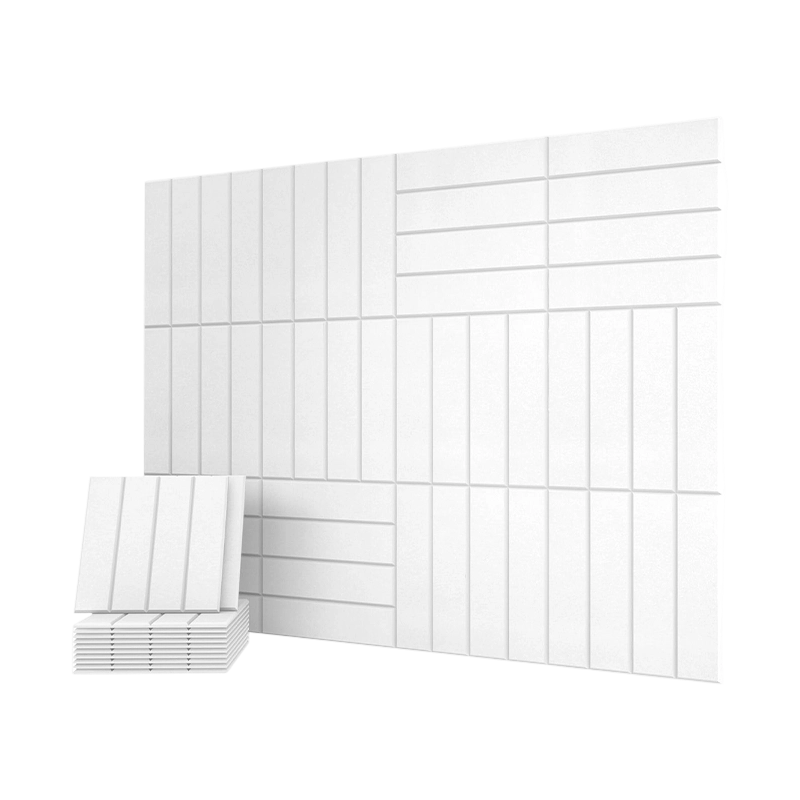

Straight-Groove Indoor Wall Polyester Fiber Acoustic Panel
-
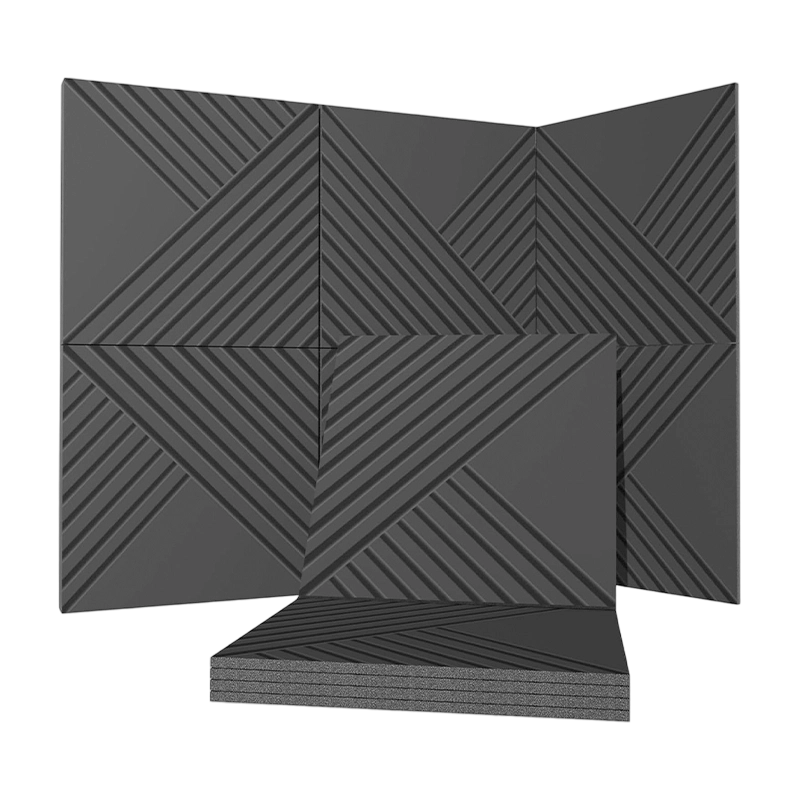
High-Density Diagonal-Groove Polyester Fiber Acoustic Panel
-
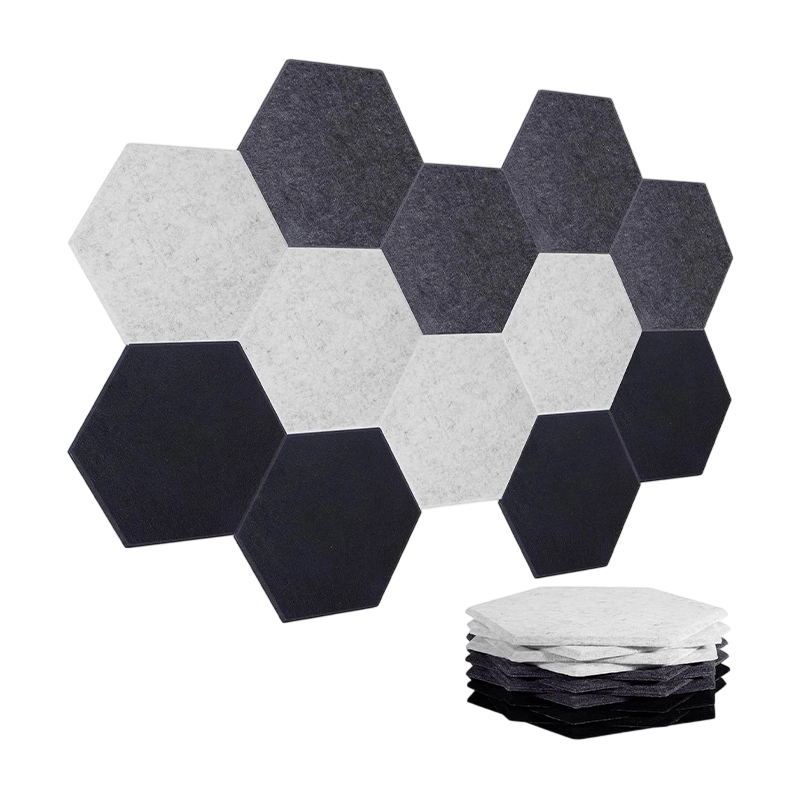
Hexagonal Multi-Color Combination Polyester Fiber Acoustic Panel
-
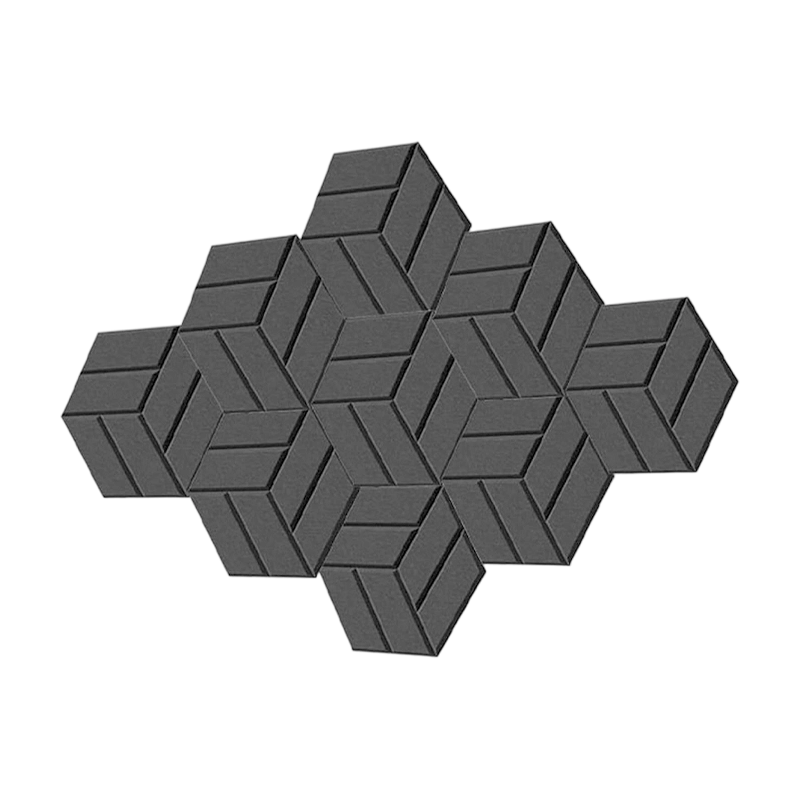
Single-Color Hexagonal Polyester Fiber Acoustic Panel
-
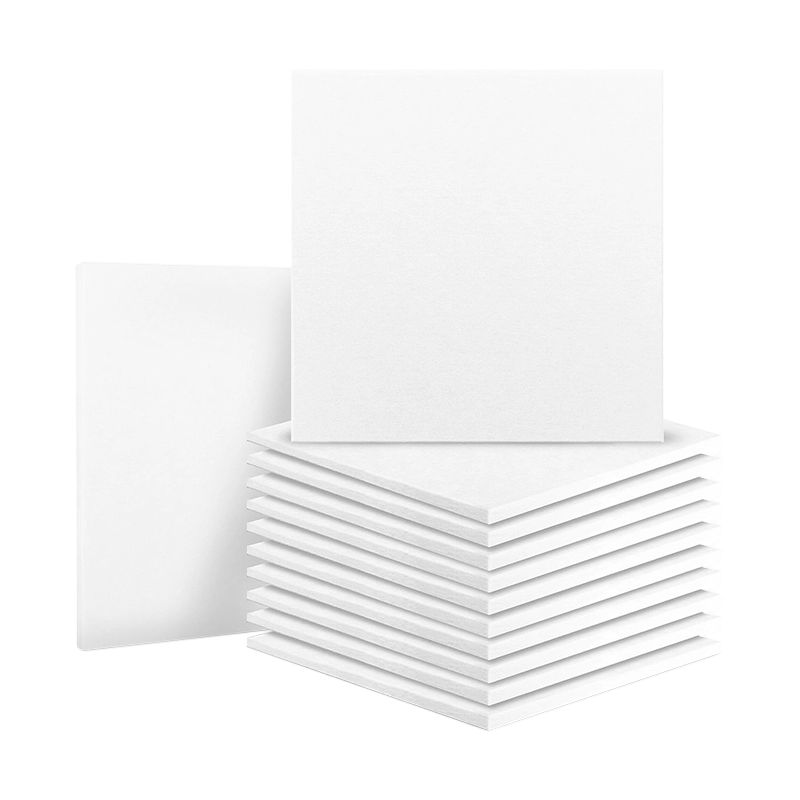
Modern Design Recycled Polyester Fiber Acoustic Panel
-
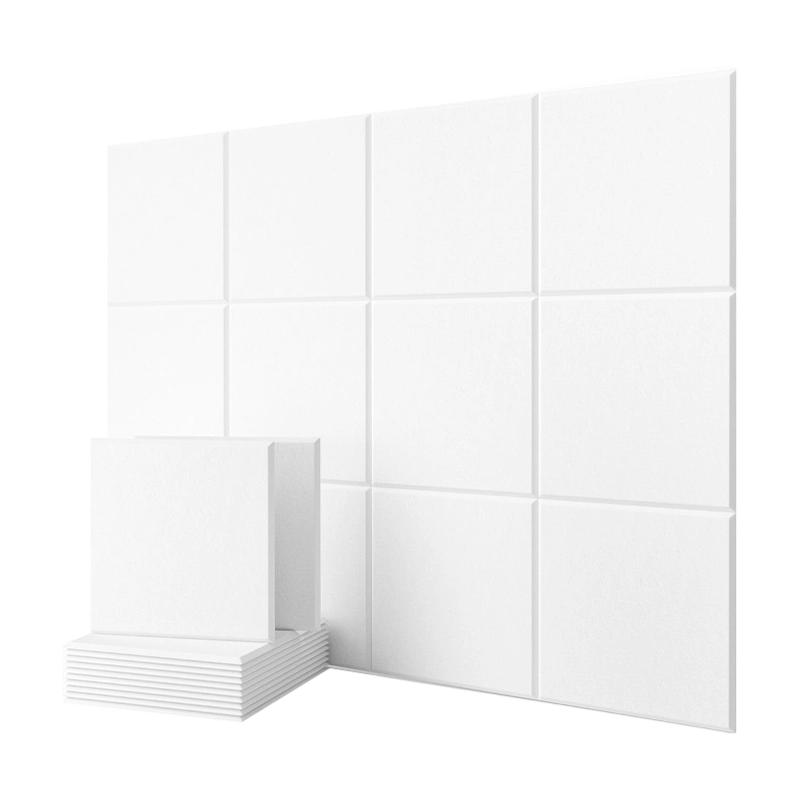
Eco-Friendly PET Polyester Fiber Acoustic Panel
Polyester fiber acoustic panels are engineered for architects, interior designers, and facility managers who demand both sound control and visual refinement. Manufactured from high-density thermally bonded polyester fiber, each panel meets rigorous fire-retardant and low-VOC standards, making them a responsible choice for occupied spaces.
Our production line covers grooved, special-shaped, square, composite, and custom-printed formats, giving specifiers a single-source solution across diverse acoustic challenges. Panels can be wall-mounted or suspended as ceiling baffles, adapting to conference rooms, auditoriums, classrooms, hospitality venues, and open-plan offices.
Every panel is manufactured under ISO-certified quality control and can be produced to OEM specifications.
We are a professional manufacturer specializing in polyester fiber acoustic materials, dedicated to providing effective, safe, and sustainable sound control solutions for architectural and interior spaces.
With a modern production base covering 20,000 square meters, as Polyester Fiber Acoustic Panels Suppliers in China, we focus on the development and manufacturing of polyester fiber acoustic panels and sound-absorbing materials, offering over 2 product series and more than 1,000 models to meet diverse project requirements worldwide.
- Factory Area
20000㎡
- Annual production capacity
1000000+
- Annual Export Ratio
90%
- Product Model
1000$

Our 20,000 m² modern manufacturing facility specializes in polyester fiber acoustic panels and acoustic insulation materials. We are Polyester Fiber Acoustic Panels Manufacturers in China, Supply Polyester Fiber Acoustic Panels Wholesale. We use high-quality polyester fibers, ensuring purity, consistency, and long-term stability from the source. Production and testing are carried out in accordance with international standards, with close attention to acoustic performance, safety, and environmental indicators.
-
Two tone sound-absorbing panels combine acoustic performance with distinctive visual design, offering a way to control noise while making a deliberate...
View More -
Self-adhesive fiber acoustic panels have simplified the process of soundproofing and noise control for homeowners, renters, and businesses alike. Unli...
View More -
Polyester fiber acoustic panels have become one of the most practical solutions for controlling noise and improving sound quality in both residential ...
View More
Industry knowledge
How Thickness and Density Change the Way a Panel Absorbs Sound
A polyester fiber acoustic panel is not a single-performance product — its sound absorption curve shifts significantly depending on thickness and fiber density, even when the raw material looks identical on the surface. Thin, low-density panels (around 9mm to 12mm, 200-350 kg/m³) are efficient at absorbing mid and high frequencies, which makes them well suited for offices, classrooms, and retail spaces where speech clarity is the main concern. Thicker, denser panels (25mm to 50mm, above 400 kg/m³) extend absorption further into the low-frequency range, which matters in auditoriums, gymnasiums, and multi-purpose halls where bass buildup and reverberation are harder to control. At Changshu Chiheng, this relationship is treated as a design variable rather than a fixed spec — our engineering team routinely adjusts fiber density and panel thickness within the same product series to hit a target Noise Reduction Coefficient (NRC) for a specific room type, rather than offering a single generic panel for every application.
Typical Thickness-to-Performance Relationship
The table below is a simplified reference showing how thickness generally correlates with absorption behavior. Actual NRC values vary depending on installation method, air gap, and surface finish, but the trend holds across most polyester fiber products.
| Thickness | Typical NRC Range | Best Suited Frequency Focus |
| 9mm | 0.35 - 0.50 | Mid to high frequency |
| 12mm - 15mm | 0.55 - 0.70 | Broad speech range |
| 25mm | 0.75 - 0.90 | Mid frequency, extending toward low |
| 40mm - 50mm | 0.90 - 1.00+ | Low frequency and reverberation control |
Fire Rating Is Not Optional — And It Varies by Region
One detail that project specifiers frequently underestimate is that polyester fiber, in its raw form, is not automatically fire-safe simply because it is a "clean" or "eco-friendly" material. The actual fire performance depends on the specific polymer treatment and additives used during production. Standard untreated polyester fiber panels typically achieve a B2 classification under Chinese GB standards, which is acceptable for many interior applications but insufficient for public buildings, transportation hubs, hospitals, or high-occupancy venues. Chiheng produces flame-retardant treated versions of our panels that reach B1 classification (GB8624), and select product lines are tested against ASTM E84 Class A and EN13501-1 for projects that require compliance with North American or European building codes. This distinction matters because a panel that looks and performs identically in a showroom can fail very differently in an actual fire event, and building inspectors will request documentation, not just a verbal assurance.
Matching Fire Class to Project Type
- Residential interiors and private studios generally accept B2-rated panels where local code allows.
- Office buildings, schools, and retail spaces commonly require B1 or Class B fire performance.
- Airports, subway stations, hospitals, and theaters typically require the highest available rating, often A-class or ASTM E84 Class A.
- Export projects to the US and EU should confirm which certification body's test report is accepted locally before ordering, since GB, ASTM, and EN test methods are not directly interchangeable.
Edge Profiles and Mounting Methods That Change the Result
The acoustic performance printed on a data sheet assumes a specific test-mounting condition, and real installations rarely match that condition exactly. Edge profile is one factor: straight-cut edges are the most common and economical, beveled edges create a visual shadow line that many designers prefer for feature walls, and kerfed or interlocking edges allow panels to be joined into a continuous seamless surface for ceiling clouds or baffles. None of these edge choices significantly change absorption values on their own, but they do affect installation speed and finished appearance, which is why Chiheng offers all three as standard options across most of our panel series rather than treating edge finishing as a custom request.
Airspace Behind the Panel: An Underused Way to Improve Low-Frequency Absorption
Mounting method has a much larger effect on real-world performance than most buyers expect. A panel glued flat against a solid wall performs close to its rated NRC for mid and high frequencies but does relatively little for low frequencies. The same panel mounted with a 25mm to 50mm air gap behind it — using a batten frame, Z-clip system, or suspended grid — can show a meaningful increase in low-frequency absorption, because the air cavity acts as an additional resonant space. This is a low-cost way to extract more performance from an existing panel selection without switching to a thicker or denser product, and it is one of the first adjustments our technical team suggests when a client's on-site reverberation measurement falls short of the target after installation.
-
QUICK
Home Products About Projects News Contact -
Product Categories
Polyester Fiber Acoustic Panels Custom Acoustic Panels Self-Adhesive Acoustic Solutions Composite Sound Absorber Acoustic Accessory & Whole Solutions Polyester Fiber Acoustic Panels -
Contact
 cwl13092627852@163.com
  +86-13092627852 +8613913783502
 No. 6 Youpin North Road, Zhitang Town, Changshu City, Suzhou, Jiangsu Province, China
Let’S Co-Create A High-Quality Future For Decorative materials.
We are committed to providing you with cutting-edge design, more efficient delivery, and more stable quality solutions,Meet your material needs.
