English
 عربى
عربى

News
Content
- 1 What Defines a Two Tone Sound-Absorbing Panel
- 2 Acoustic Performance Behind the Design
- 3 Design Benefits of a Two-Color Approach
- 4 Comparing Two Tone Panels to Single-Color Panels
- 5 Best Applications for Two Tone Sound-Absorbing Panels
- 6 Installation and Layout Considerations
- 7 Maintenance and Long-Term Durability
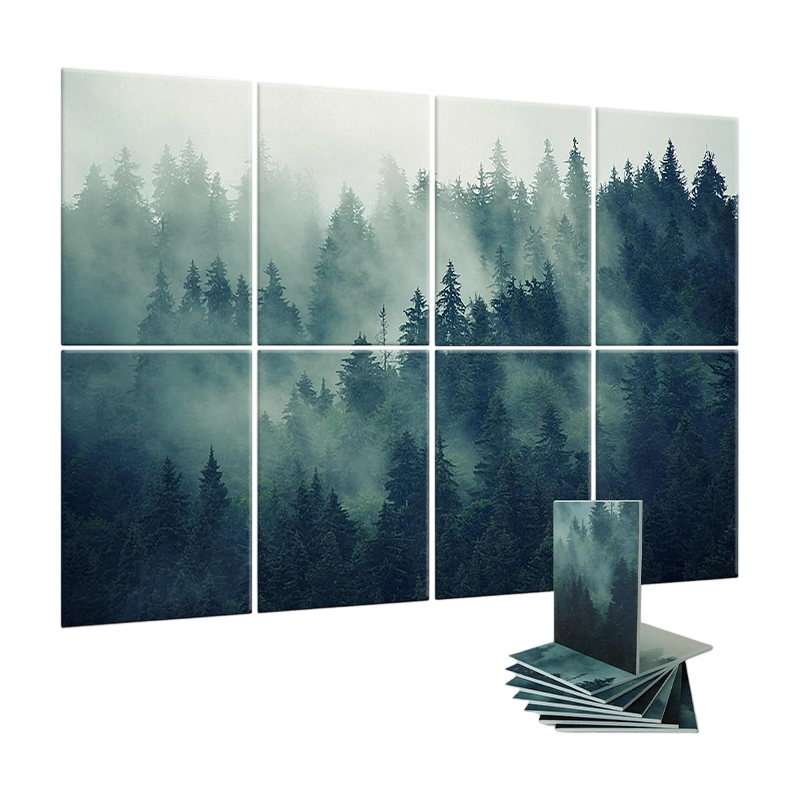
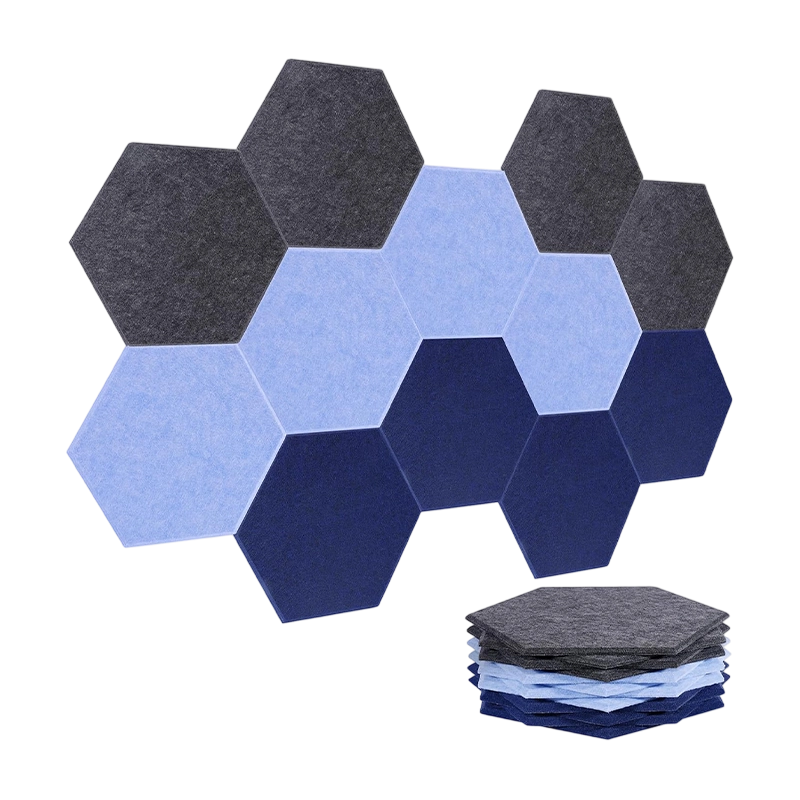
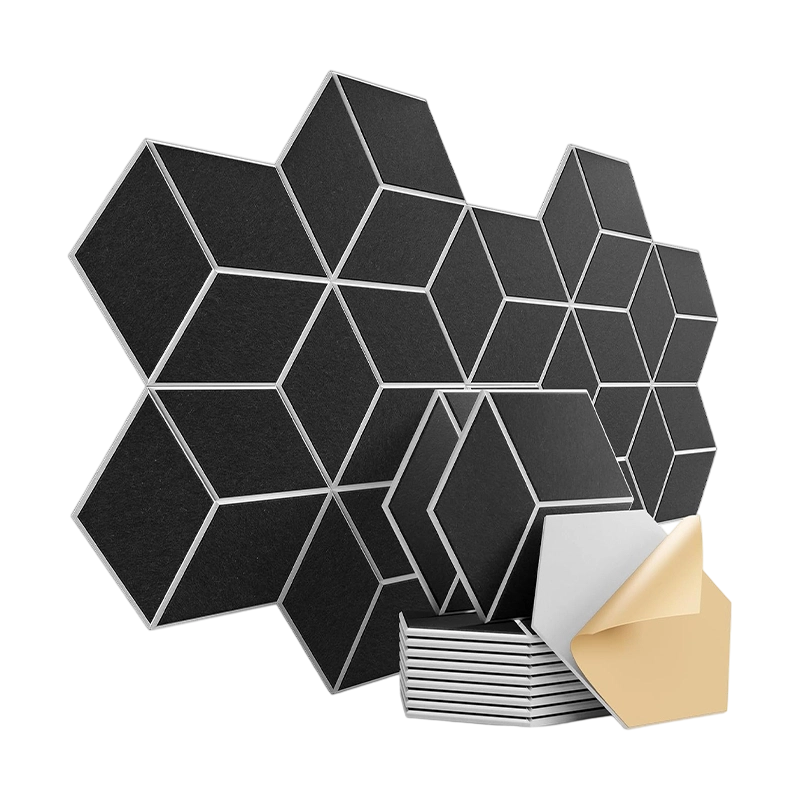
Two tone sound-absorbing panels combine acoustic performance with distinctive visual design, offering a way to control noise while making a deliberate design statement. By pairing two contrasting colors within a single panel, either through split sections, geometric patterns, or layered fiber blends, these panels move beyond purely functional soundproofing to become an intentional part of a room's interior design. This dual-purpose approach has made them increasingly popular in offices, retail spaces, and modern residential interiors where both acoustics and aesthetics matter.
What Defines a Two Tone Sound-Absorbing Panel
A two tone sound-absorbing panel is constructed using the same acoustic core materials found in standard panels, typically polyester fiber, felt, or fiberglass, but finished with two distinct color zones. This can be achieved through dyed fiber blending during manufacturing, printed fabric facings, or physically joining two separately colored panel sections into one unit. The acoustic performance remains consistent with single-tone panels of the same material and thickness, meaning the color contrast is purely a design feature rather than a functional one.
These panels are commonly available in thicknesses between 9mm and 25mm, with density levels that determine how effectively they absorb mid and high-frequency sounds. The two-tone effect can be applied in various layouts, including horizontal splits, diagonal divisions, or bordered edges that frame a contrasting center panel.
Acoustic Performance Behind the Design
While the visual appeal of two tone panels often draws initial attention, their core function remains sound absorption. Understanding how these panels perform acoustically helps buyers make informed decisions beyond aesthetics alone.
Noise Reduction Coefficient (NRC)
Most two tone sound-absorbing panels achieve an NRC rating between 0.6 and 0.9, depending on core material and thickness. The color treatment applied to the surface, whether dye, fabric wrap, or paint-safe coating, does not significantly affect this rating as long as the material remains porous.
Material Composition Consistency
To maintain uniform acoustic performance across both color zones, manufacturers typically use the same density and fiber composition throughout the panel, ensuring that neither color section absorbs sound less effectively than the other.
Design Benefits of a Two-Color Approach
Beyond acoustics, two tone panels offer meaningful design advantages that single-color panels cannot replicate on their own.
- Creates visual depth and dimension on otherwise flat wall surfaces
- Allows brand colors to be incorporated directly into acoustic treatment
- Enables creative patterns when panels are arranged in a grid or feature wall layout
- Helps define zones within open-plan spaces through color-coded sections
- Reduces the institutional or clinical look often associated with plain acoustic treatment
Comparing Two Tone Panels to Single-Color Panels
Choosing between two tone and single-color panels often comes down to design goals, budget, and installation flexibility. The comparison below outlines key differences.
| Factor | Two Tone Panels | Single-Color Panels |
| Design Flexibility | High, supports patterns and branding | Moderate, relies on layout alone |
| Acoustic Performance | Equivalent to same-material single tone | Standard baseline performance |
| Typical Cost | Slightly higher due to finishing process | Generally lower |
| Best Use Case | Feature walls, branded spaces | Full-room acoustic treatment |
Best Applications for Two Tone Sound-Absorbing Panels
The combination of function and visual appeal makes these panels particularly effective in specific environments where both design and acoustic control are priorities.
Corporate Offices and Reception Areas
Two tone panels can incorporate company brand colors directly into wall treatments, reducing noise in busy reception areas while reinforcing brand identity for visitors and employees alike.
Retail and Hospitality Interiors
Restaurants, hotels, and retail stores use two tone panels to create striking feature walls that also manage the noise levels typical of high-traffic, hard-surfaced environments.
Educational and Collaborative Spaces
In schools and coworking spaces, color-coded panels can help visually distinguish different zones, such as quiet study areas versus collaborative discussion spaces, while simultaneously reducing overall noise levels.
Modern Residential Interiors
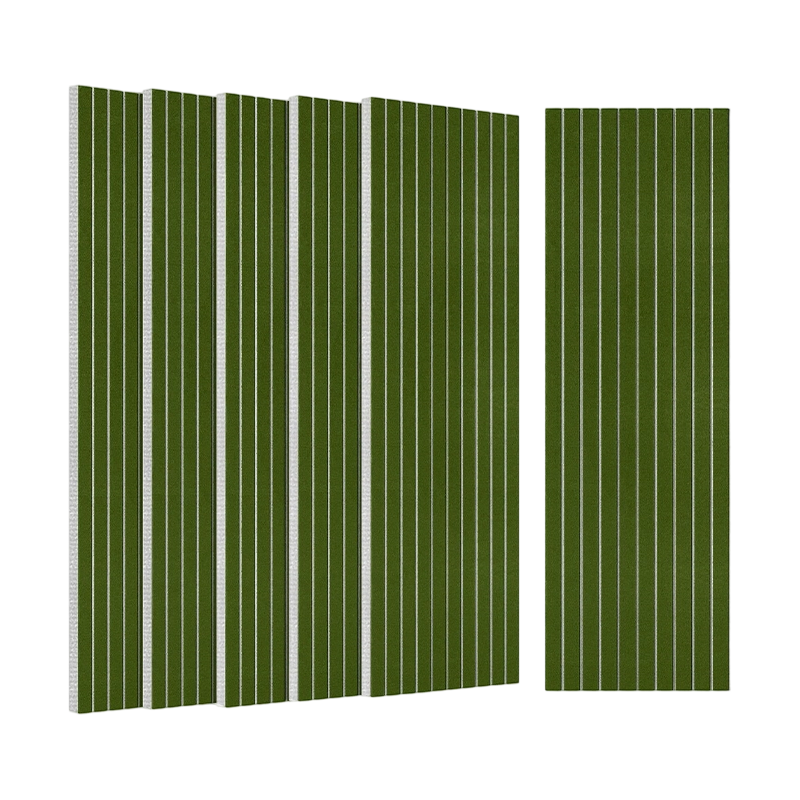
Homeowners increasingly use two tone acoustic panels as statement wall features in living rooms and home offices, blending soundproofing with contemporary interior design trends.
Installation and Layout Considerations
Achieving the best visual and acoustic results with two tone panels requires thoughtful planning before installation begins. Consider the following recommendations when designing a layout.
- Map out the panel arrangement on paper or digitally before mounting to visualize the final pattern
- Alternate color orientation between panels to create dynamic geometric effects
- Ensure consistent spacing between panels for a clean, professional finish
- Position panels at ear level and first-reflection points to maximize acoustic benefit
- Combine with plain single-tone panels in less visible areas to balance cost and coverage
Maintenance and Long-Term Durability
Two tone sound-absorbing panels generally require the same maintenance as standard acoustic panels. Regular dusting with a soft brush or vacuum attachment helps preserve both color vibrancy and sound absorption capability. Panels finished with fabric wraps should be checked periodically for fading if installed in areas with direct sunlight exposure, as UV light can gradually alter fabric-based colors over time.
For panels using dyed fiber cores rather than fabric facings, color retention tends to be more stable long-term since the pigment is integrated throughout the material rather than applied as a surface layer. Choosing the appropriate finishing method based on the installation environment can help ensure both the acoustic and visual qualities of the panel remain effective for years to come.
 Previous