
 English
 عربى
عربى
News
Home / News / Industry News / Why Are Polyester Fiber Acoustic Panels the Smart Choice for Noise Control?


Content
Polyester fiber acoustic panels have become one of the most practical solutions for controlling noise and improving sound quality in both residential and commercial spaces. Made from recycled or virgin polyester fibers that are thermally bonded into rigid or semi-rigid boards, these panels offer an effective balance between acoustic performance, safety, and aesthetics. Unlike traditional foam or mineral wool panels, polyester fiber panels are non-toxic, lightweight, and easy to install, making them a preferred choice for schools, offices, studios, and homes alike.
Polyester fiber acoustic panels are sound-absorbing boards manufactured by compressing polyester fibers under heat and pressure, forming a dense yet porous structure. This structure allows sound waves to enter the material and lose energy through friction within the fibers, reducing echo and reverberation in a room. Many manufacturers use post-consumer recycled PET bottles as raw material, which makes these panels an environmentally responsible option compared to petroleum-based foam products.
The panels typically come in thicknesses ranging from 9mm to 50mm, with density levels that directly affect their sound absorption coefficient. Higher density panels generally absorb low-frequency sounds more effectively, while thinner panels are better suited for mid to high-frequency noise control.
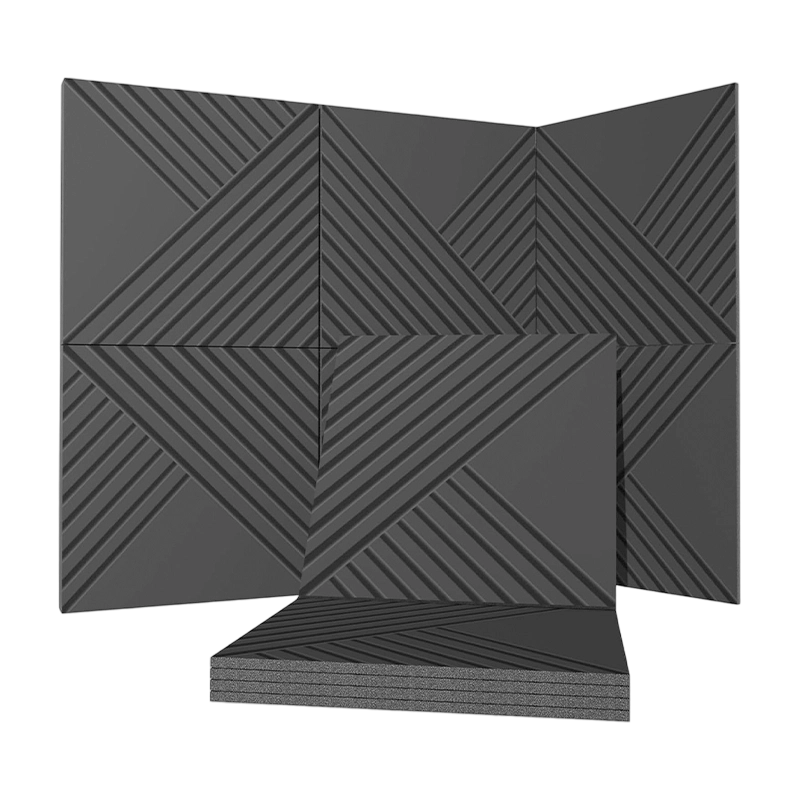
The core function of these panels is to reduce reverberation time and control unwanted echoes. When sound waves strike the panel surface, the porous fiber structure converts acoustic energy into small amounts of heat through internal friction, effectively absorbing the sound rather than reflecting it back into the room. This is particularly valuable in spaces with hard surfaces such as glass, concrete, or tile, which tend to amplify noise.
The Noise Reduction Coefficient (NRC) rating indicates how much sound a panel absorbs versus reflects, on a scale from 0 to 1. Most polyester fiber panels achieve an NRC between 0.65 and 0.95 depending on thickness and installation method, making them comparable to premium acoustic foam and mineral wool products.
Mounting panels with an air gap behind them, rather than directly against a wall, can significantly increase low-frequency absorption. A gap of 25mm to 50mm allows the panel to capture longer sound waves that would otherwise pass through thin material without being absorbed.
Polyester fiber panels offer several practical advantages that make them suitable for a wide range of environments, especially those with strict health, safety, or design requirements.
Choosing the right acoustic material depends on budget, safety requirements, and performance goals. The table below compares polyester fiber panels with two commonly used alternatives.
| Material | NRC Range | Health Safety | Eco-Friendliness |
| Polyester Fiber Panels | 0.65–0.95 | Non-toxic, no irritation | High (recyclable) |
| Mineral Wool Panels | 0.70–0.95 | Requires PPE during install | Moderate |
| Foam Acoustic Panels | 0.50–0.85 | Flammable, off-gassing risk | Low |
Because of their safety profile and design versatility, polyester fiber panels are used across a wide variety of spaces where both function and appearance matter.
Open-plan offices often suffer from excessive noise and poor speech intelligibility. Wall-mounted or ceiling-hung polyester panels reduce distracting background noise while allowing for custom branding through printed or colored finishes.
Since these panels are non-toxic and do not shed glass or mineral fibers, they are particularly well suited for environments with children, where indoor air quality and safety are top priorities.
Polyester fiber panels help control flutter echo and standing waves, improving audio clarity for recording, mixing, and home entertainment setups without the bulk of traditional foam wedges.
Hard surfaces in dining areas often create uncomfortable noise levels. Decorative polyester panels, shaped into geometric patterns or printed with custom graphics, reduce noise while enhancing interior aesthetics.
Selecting the correct panel specification depends on the type of noise being addressed and the size of the space. The following guidelines can help narrow down the right choice.
Polyester fiber panels can be installed using adhesive, mounting clips, or a track system, depending on the wall or ceiling surface. For maximum acoustic benefit, panels should cover at least 15% to 25% of the total wall and ceiling area in a typical room, with placement focused on first-reflection points near speakers or noise sources.
Maintenance is minimal. Regular dusting with a soft brush or vacuum attachment keeps panels looking clean, and most polyester fiber materials resist moisture, making them easy to wipe down if needed. Because the fibers do not degrade or lose shape over time, these panels maintain both their appearance and acoustic performance for many years without requiring replacement.
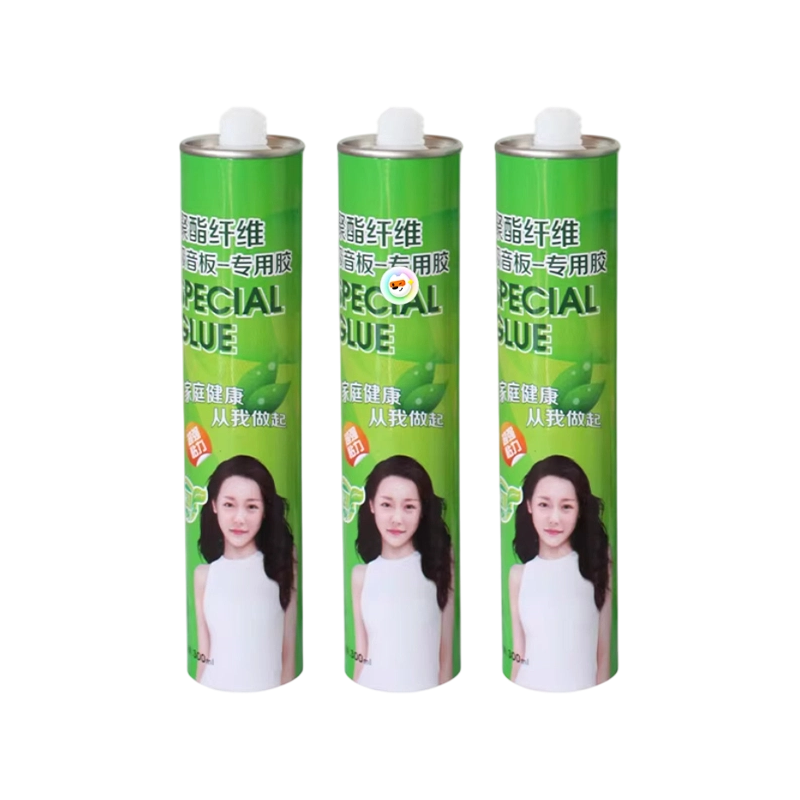 Eco-Friendly Special Adhesive Glue for Polyester Fiber Acoustic Panels
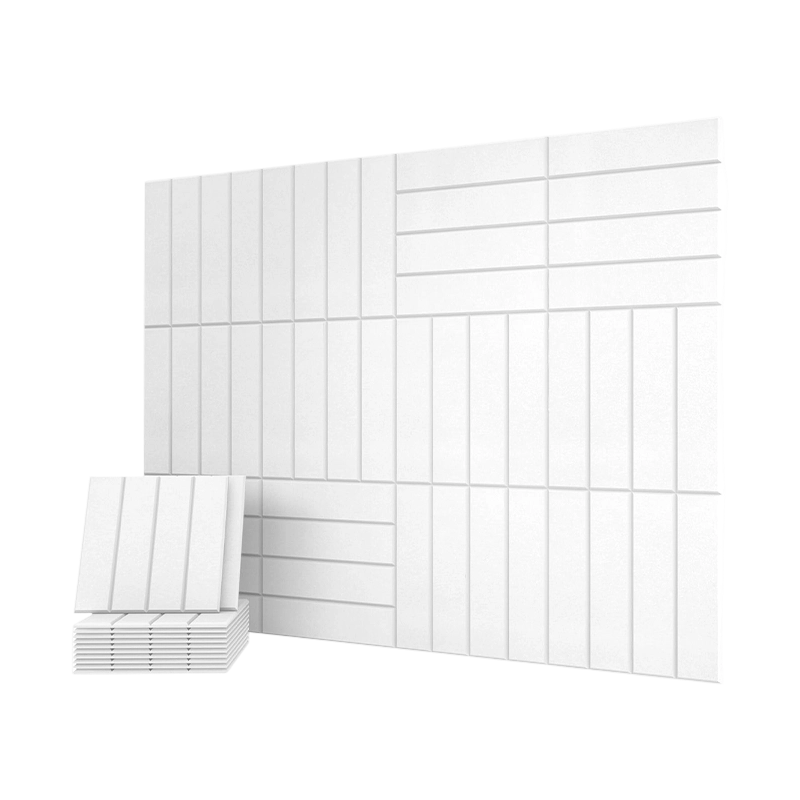 Straight-Groove Indoor Wall Polyester Fiber Acoustic Panel
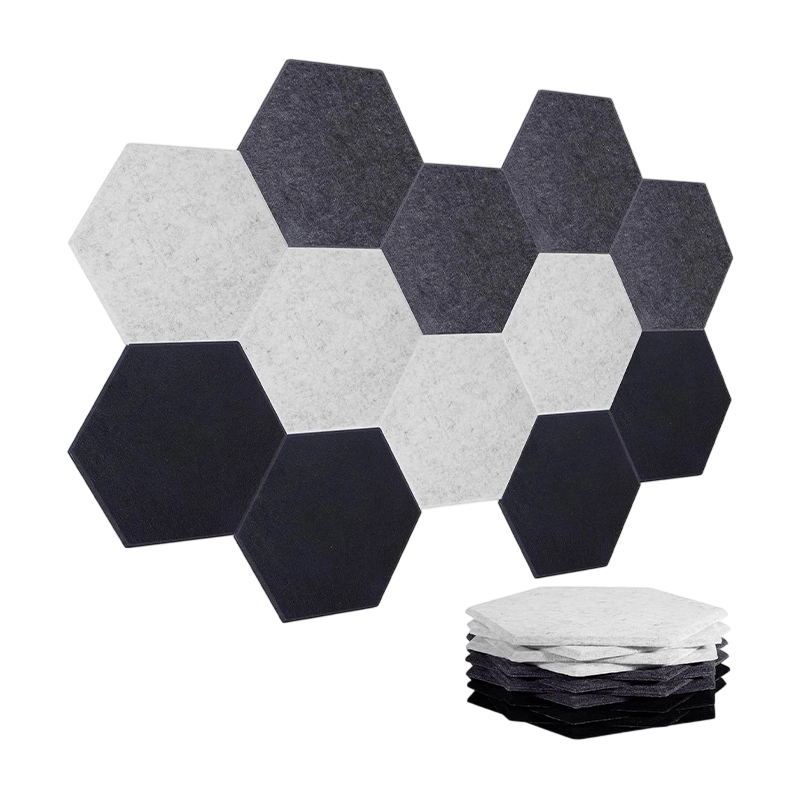 Hexagonal Multi-Color Combination Polyester Fiber Acoustic Panel
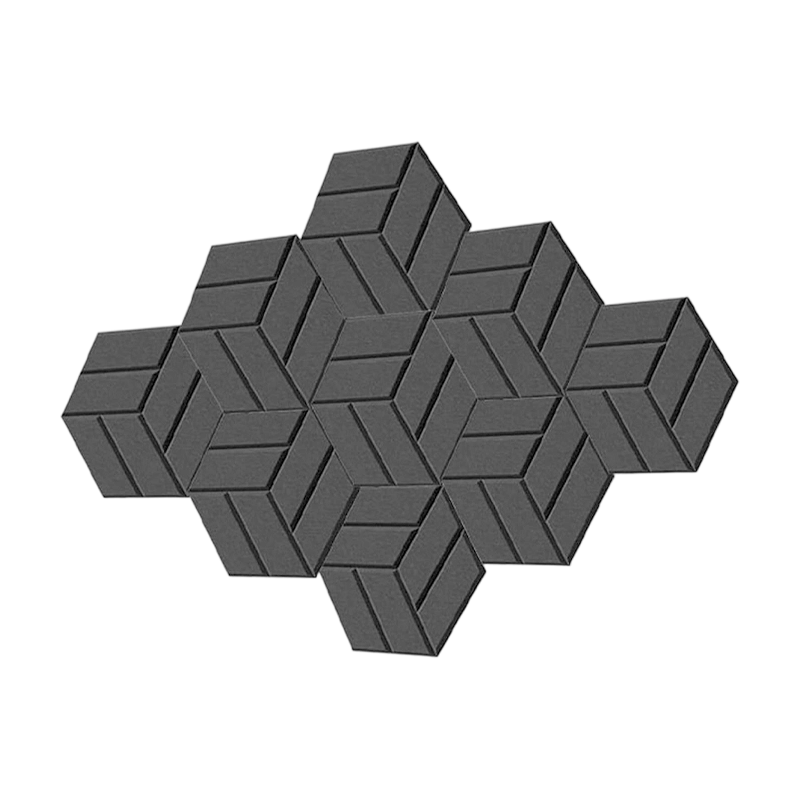 Single-Color Hexagonal Polyester Fiber Acoustic Panel
 Modern Design Recycled Polyester Fiber Acoustic Panel
 Eco-Friendly PET Polyester Fiber Acoustic Panel
 cwl13092627852@163.com
  +86-13092627852
  No. 6 Youpin North Road, Zhitang Town, Changshu City, Suzhou, Jiangsu Province, China
We are committed to providing you with cutting-edge design, more efficient delivery, and more stable quality solutions,Meet your material needs.

 Previous