
 English
 عربى
عربى
Wholesale Acoustic Panel Accessories


Acoustic Panel Accessories Manufacturers
-
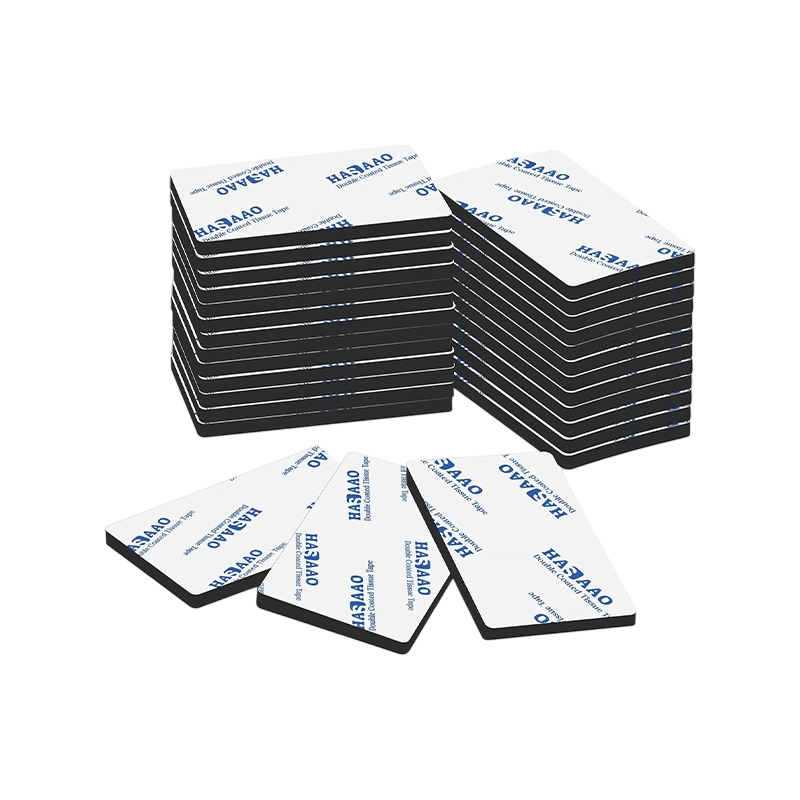

Black Foam Double-Sided Adhesive Pads for Acoustic Panels
-
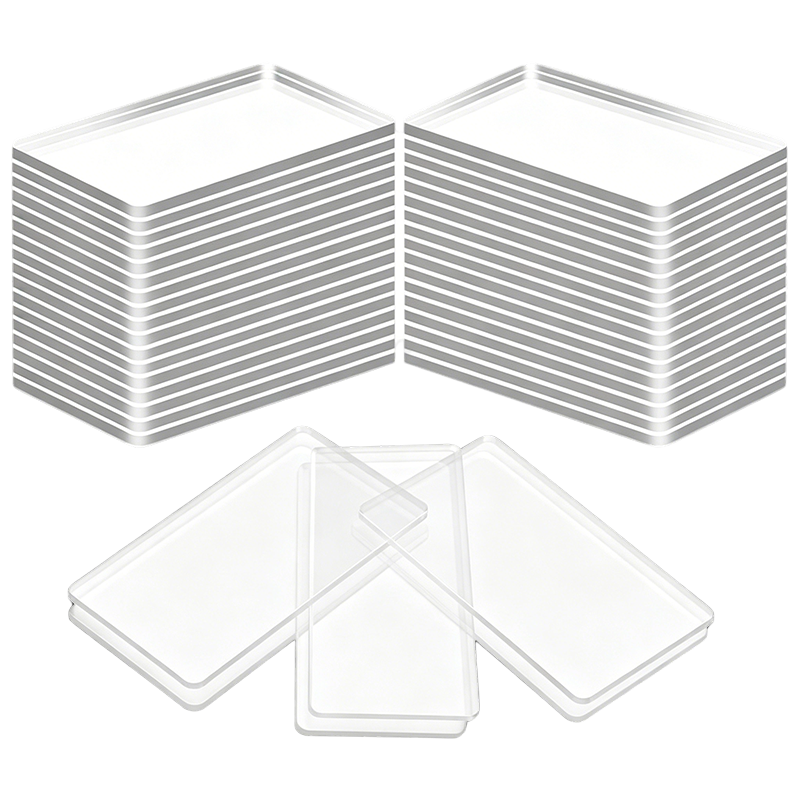
Clear Acrylic Double-Sided Adhesive Mounting Pads
-
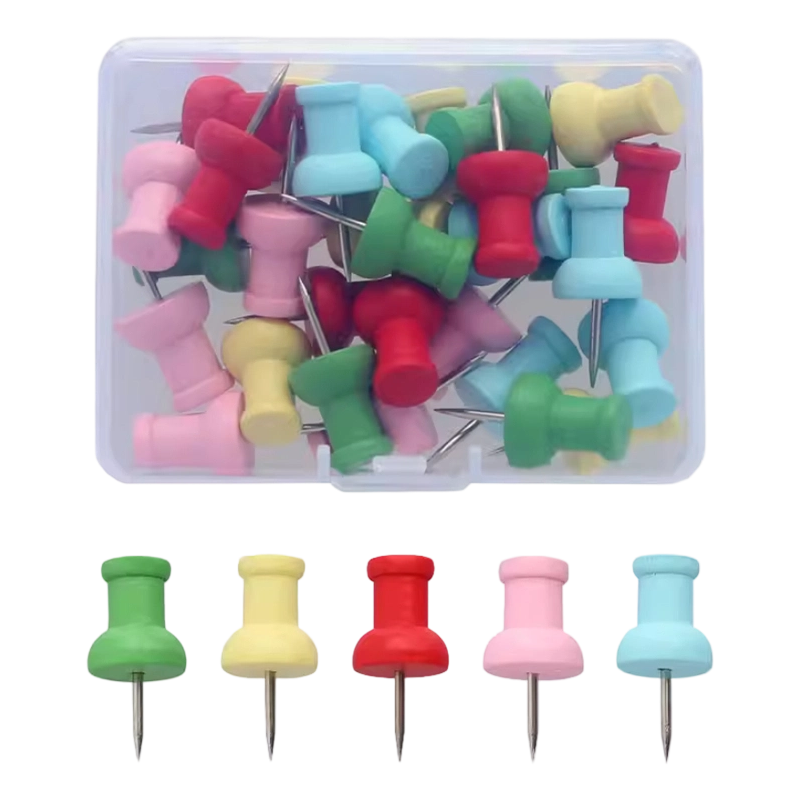
Colorful Large-Head Push Pins Set for Acoustic Panel Installation
Acoustic panel installation accessories supply the precision tools and consumables required to cut, finish, and fix polyester fiber panels on site. The range includes carbide-tipped cutting blades engineered for clean straight cuts through panel material, chamfering tools for creating angled edge profiles, construction adhesives formulated for polyester fiber substrates, and mechanical fasteners for supplemental fixing.
Using purpose-designed accessories reduces material waste from inaccurate cuts, ensures adhesive bond performance is consistent with panel specifications, and provides the clean edge finish expected in professional interior installations.
Accessories are available individually and in project kit configurations. OEM packaging with custom branding is supported for distributor partners.
Changshu Chiheng Decorative Materials Co., Ltd.
We are a professional manufacturer specializing in polyester fiber acoustic materials, dedicated to providing effective, safe, and sustainable sound control solutions for architectural and interior spaces.
With a modern production base covering 20,000 square meters, as Acoustic Panel Accessories Suppliers in China, we focus on the development and manufacturing of polyester fiber acoustic panels and sound-absorbing materials, offering over 2 product series and more than 1,000 models to meet diverse project requirements worldwide.
- Factory Area
20000㎡
- Annual production capacity
1000000+
- Annual Export Ratio
90%
- Product Model
1000$

Core Production & Quality Control
Our 20,000 m² modern manufacturing facility specializes in polyester fiber acoustic panels and acoustic insulation materials. We are Acoustic Panel Accessories Manufacturers in China, Supply Acoustic Panel Accessories Wholesale. We use high-quality polyester fibers, ensuring purity, consistency, and long-term stability from the source. Production and testing are carried out in accordance with international standards, with close attention to acoustic performance, safety, and environmental indicators.
News
-
Two tone sound-absorbing panels combine acoustic performance with distinctive visual design, offering a way to control noise while making a deliberate...
View More -
Self-adhesive fiber acoustic panels have simplified the process of soundproofing and noise control for homeowners, renters, and businesses alike. Unli...
View More -
Polyester fiber acoustic panels have become one of the most practical solutions for controlling noise and improving sound quality in both residential ...
View More
Industry knowledge
Why Mounting Accessories Deserve as Much Attention as the Panel Itself
It is easy to treat acoustic panel accessories as an afterthought — small, inexpensive items added to a cart after the main panel order is finalized — but the choice of mounting hardware directly affects whether a panel stays flat against the wall, whether it can be removed without damage, and whether it will still be securely in place a year after installation. Different accessories are engineered for different weight ranges, wall surfaces, and permanence requirements, and using the wrong one is one of the most common causes of panels that sag, tilt, or detach over time even when the panel itself was manufactured correctly. Changshu Chiheng Acoustic Panel Accessories are developed specifically to match the weight and surface characteristics of our own polyester fiber panel lines, since generic hardware not tested against a specific panel's density and facing material can lead to inconsistent holding performance that has nothing to do with the panel's actual acoustic quality.
Matching Accessory Type to Panel Weight and Wall Condition
| Accessory Type | Best Panel Weight Range | Removability |
| Black Foam Double-Sided Adhesive Pads | Light to moderate | Moderate, some residue possible |
| Clear Acrylic Double-Sided Adhesive Mounting Pads | Moderate to heavy | Low, designed for long-term hold |
| Colorful Large-Head Push Pins | Light | High, tool-free removal |
Foam Pads Versus Acrylic Pads: Not Interchangeable Despite Looking Similar
Black foam double-sided adhesive pads and clear acrylic double-sided adhesive mounting pads are often assumed to be functionally the same product in a different color, but the core material inside each pad behaves quite differently under load. Foam-core pads have a degree of compressibility and flex, which allows them to absorb minor surface irregularities on a wall — slight texture, uneven paint buildup, or minor waviness in drywall — and still maintain full contact across the pad surface. This flexibility comes at a cost: foam pads generally have a lower long-term shear strength than acrylic-core pads, meaning they are better suited to lighter panels or shorter-term installations rather than heavy panels intended to remain mounted for many years without inspection. Acrylic-core pads are firmer and denser, distributing weight more evenly across the bonded surface and holding up better to sustained load and temperature fluctuation, but they require a flatter, cleaner wall surface to achieve full contact, since their rigidity does not compensate for surface irregularity the way a foam pad does. For most polyester fiber panel installations, the practical guidance is straightforward: foam pads for smaller or lighter panels on slightly uneven surfaces, and acrylic pads for larger, heavier panels on flat, well-prepared walls where maximum long-term hold is the priority.
Preparation Steps That Affect Adhesive Pad Performance
- Clean and dry the wall surface fully before applying either pad type, since dust or residual moisture reduces the effective contact area regardless of adhesive quality.
- Apply firm, even pressure across each pad for at least several seconds after placement, since initial tack continues to build over the following 24 to 48 hours.
- Position pads near all four corners and the center of larger panels rather than relying on a small number of pads placed only at the edges.
- Avoid applying pads to freshly painted walls until the paint has fully cured, typically two to four weeks, since uncured paint can bond to the adhesive rather than the wall itself.
Push Pins: A Practical Option for Temporary or Frequently Changed Installations
Colorful large-head push pins occupy a different category from adhesive pads entirely, since they rely on mechanical penetration into the wall rather than surface bonding, making them the more appropriate choice for lightweight panels in settings where frequent repositioning, rotation, or removal is expected. Home studios, classroom display walls, and rental properties are common use cases, where a tenant or user may want to move panels between rooms or reconfigure a layout without leaving adhesive residue or risking paint damage on removal. The large pin head also serves a secondary function beyond simple penetration depth — it distributes holding pressure across a wider contact area against the panel's front surface, reducing the risk of the pin tearing through a soft fiber panel under the panel's own weight over time, which a standard small-head pin is more prone to causing. Push pins are not a suitable choice for panels above a certain weight or for ceiling applications, where gravity works directly against the pin's limited holding strength, and should generally be reserved for wall-mounted panels under a modest weight threshold specified by the panel manufacturer.
Changshu Chiheng Decorative Materials Co., Ltd. includes push pins, foam pads, and acrylic mounting pads within our accessories range specifically because different projects call for different mounting philosophies, and offering all three from a single source allows installers to select the right hardware for each specific application rather than defaulting to whatever happens to be on hand. Operating from a 20,000-square-meter production base and manufacturing more than 1,000 models across our polyester fiber acoustic product lines, the company treats Changshu Chiheng Acoustic Panel Accessories as an integrated part of the overall system rather than a generic add-on, since the long-term performance of any acoustic installation depends as much on how well a panel is mounted as on the acoustic properties of the panel itself.
-
QUICK
Home Products About Projects News Contact -
Product Categories
Polyester Fiber Acoustic Panels Custom Acoustic Panels Self-Adhesive Acoustic Solutions Composite Sound Absorber Acoustic Accessory & Whole Solutions Acoustic Panel Accessories -
Contact
 cwl13092627852@163.com
  +86-13092627852 +8613913783502
 No. 6 Youpin North Road, Zhitang Town, Changshu City, Suzhou, Jiangsu Province, China
Let’S Co-Create A High-Quality Future For Decorative materials.
We are committed to providing you with cutting-edge design, more efficient delivery, and more stable quality solutions,Meet your material needs.
Copyright © 2026 by Changshu Chiheng Decorative Materials Co., Ltd. Rights Reserved.
