English
 عربى
عربى

News
Content
- 1 What Are Self-Adhesive Fiber Acoustic Panels?
- 2 Why Choose Self-Adhesive Over Traditional Mounting Methods
- 3 Key Performance Factors to Consider
- 4 Comparing Self-Adhesive Panels to Standard Mounted Panels
- 5 Ideal Applications for Self-Adhesive Fiber Panels
- 6 Installation Tips for Best Results
- 7 Maintenance and Longevity
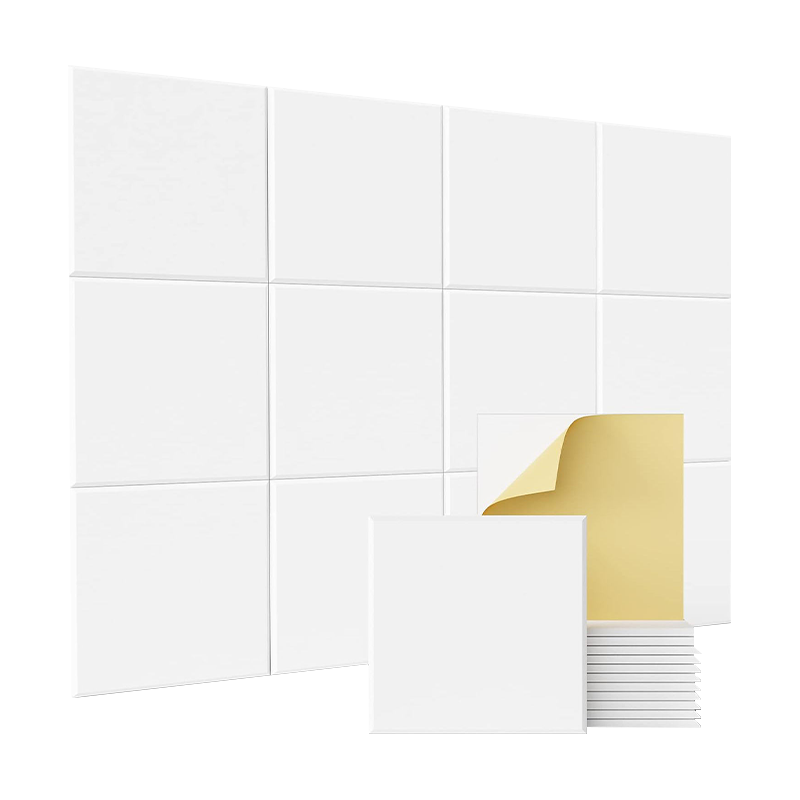
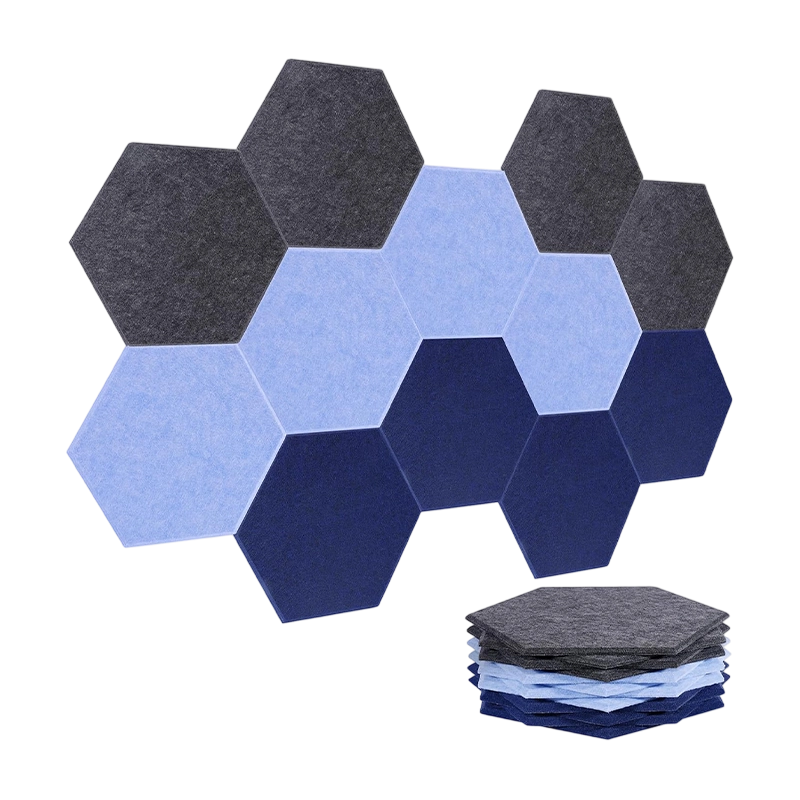
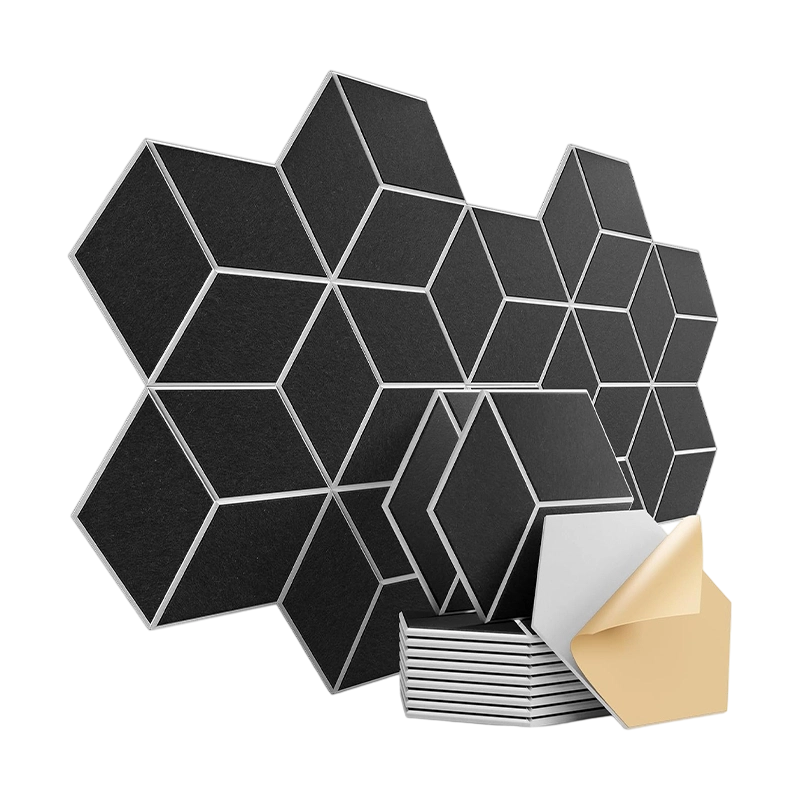
Self-adhesive fiber acoustic panels have simplified the process of soundproofing and noise control for homeowners, renters, and businesses alike. Unlike traditional acoustic panels that require drilling, brackets, or professional installation, self-adhesive panels come with a pre-applied adhesive backing that allows for direct, damage-free mounting onto walls and ceilings. This makes them an ideal solution for anyone looking to reduce echo, absorb sound, and improve room acoustics without complicated tools or construction work.
What Are Self-Adhesive Fiber Acoustic Panels?
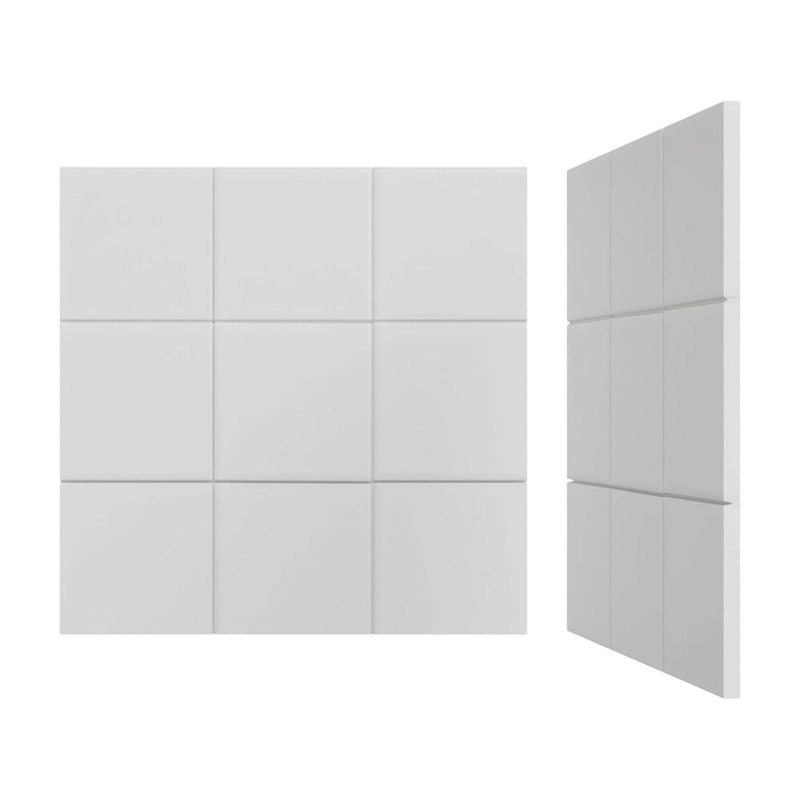
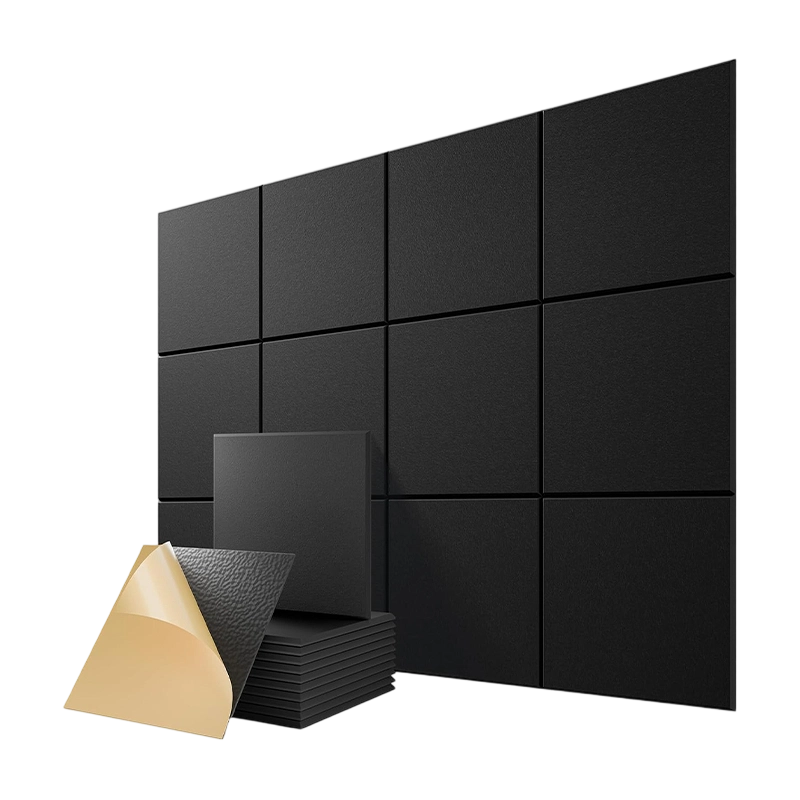
Self-adhesive fiber acoustic panels are sound-absorbing boards made from polyester fiber or similar synthetic materials, featuring a peel-and-stick adhesive layer on the back. This adhesive is typically strong enough to hold the panel securely to painted drywall, wood, or smooth surfaces, while remaining removable without leaving significant residue or damage in many cases, depending on the wall finish and adhesive type used.
The fiber core inside these panels is porous and dense, allowing sound waves to penetrate the material and dissipate as heat energy through internal fiber friction. This process reduces reverberation and echo, resulting in a noticeably quieter and more controlled acoustic environment.
Why Choose Self-Adhesive Over Traditional Mounting Methods
Traditional acoustic panel installation often involves screws, wall anchors, or specialized clips, which can be time-consuming and may not be permitted in rented properties. Self-adhesive panels remove this barrier entirely, offering a faster and more flexible alternative.
Renter-Friendly Installation
For apartment dwellers and tenants who cannot modify walls, self-adhesive panels provide a practical way to improve acoustics without violating lease agreements. Many adhesive backings are designed to be low-residue, making them suitable for temporary installations.
Faster Project Completion
Because no drilling or additional hardware is required, a room can be fully treated with acoustic panels in a fraction of the time compared to traditional mounting systems, which is especially valuable for commercial projects with tight deadlines.
Key Performance Factors to Consider
While convenience is a major advantage, acoustic performance should remain the primary consideration when selecting self-adhesive fiber panels. Several factors influence how effectively a panel absorbs sound.
- Panel thickness, typically ranging from 9mm to 30mm
- Material density, which affects low-frequency sound absorption
- Noise Reduction Coefficient (NRC) rating, ideally above 0.6
- Surface texture, which can affect both sound diffusion and adhesive contact
- Adhesive strength and compatibility with the wall surface
Comparing Self-Adhesive Panels to Standard Mounted Panels
Understanding the trade-offs between adhesive and traditional mounting methods can help buyers select the right product for their specific needs and environment.
| Feature | Self-Adhesive Panels | Screw/Clip Mounted Panels |
| Installation Time | Minutes per panel | 30+ minutes per panel |
| Wall Damage | Minimal to none | Holes and anchors required |
| Air Gap for Bass Absorption | Not typically possible | Adjustable and customizable |
| Best Use Case | Rentals, quick upgrades | Permanent studio setups |
Ideal Applications for Self-Adhesive Fiber Panels
The convenience of self-adhesive panels makes them suitable for a wide range of settings, particularly those where flexibility and speed of installation are priorities.
Home Offices and Apartments
With more people working from home, self-adhesive panels offer a quick way to reduce echo during video calls and create a more professional audio environment without permanent wall modifications.
Podcast and Content Creation Studios
Content creators often need to set up and adjust their recording space frequently. Self-adhesive panels allow for easy repositioning as room layouts and equipment change over time.
Temporary Event Spaces
Conference rooms, pop-up venues, and exhibition booths benefit from panels that can be applied and removed without leaving permanent marks, allowing spaces to be reconfigured for different events.
Students and shared-housing residents often face strict restrictions on wall modifications. Self-adhesive panels provide an approved way to reduce noise between rooms without breaching housing policies.
Installation Tips for Best Results
Proper surface preparation is essential for ensuring the adhesive bonds securely and the panel remains in place over time. Following a few key steps can significantly improve installation outcomes.
- Clean the wall surface thoroughly to remove dust, grease, and debris before application
- Allow freshly painted walls to cure for at least two to three weeks before installing panels
- Apply firm, even pressure across the entire panel surface for at least 30 seconds after placement
- Avoid installing panels in areas with high humidity or direct sunlight, which can weaken adhesive over time
- Plan panel layout in advance to avoid repeated repositioning, which can reduce adhesive effectiveness
Maintenance and Longevity
Self-adhesive fiber acoustic panels require minimal upkeep once installed. Routine dusting with a soft brush or vacuum attachment helps maintain both appearance and absorption performance. Because the fiber material is resistant to moisture and does not compress or degrade easily, panels typically maintain their acoustic properties for several years under normal indoor conditions.
If repositioning or removal becomes necessary, gently peeling the panel away at a low angle, rather than pulling straight off, helps minimize the risk of paint damage. For walls with delicate finishes, testing adhesive compatibility on a small, inconspicuous area beforehand is a practical precaution before full installation.
 Previous